African wildlife safaris: the top 15 traveller questions, answered
Planning your very first safari in Africa comes with excitement, a touch of mystery, and usually about 47 tabs open on your browser. Whether you’re dreaming of lions in the Serengeti, leopards in South Luangwa, gorillas in Uganda, or smoky sunsets in the Okavango, the same big questions pop up again and again.
To make your life easier, we’ve gathered the 15 most frequently asked questions first-time safari travellers ask. Think of this as your Safari 101: honest answers, practical tips, and a little Kafunta twist along the way.
This list is based on online research and industry trends and is aimed at first-timers. If you’ve already been on safari, you probably know most of this, but you may have Zambia-specific questions. For those, check our FAQ page or get in touch.

1. When is the best time to go on safari?
Short answer: it depends on where you’re heading.
Southern Africa (Zambia, Botswana, South Africa, Zimbabwe, Malawi, Namibia): Best during the dry season, roughly May–October. Weather is pleasant, roads are good, and wildlife viewing is excellent.
East Africa (Kenya & Tanzania): Great year-round, with the Great Migration peaking in July–September. But beware of the long rains in March–May/June, and the short rains in November–December.
Uganda & Rwanda (gorillas): Best from December–February and June–September, when trails are less slippery and visibility improves.
A rainy season isn’t “bad” — it brings dramatic skies, lush landscapes, fewer crowds, and newborn animals. But roads can get tricky, and many remote bush camps close temporarily.
The best advice? Talk to an African safari specialist who knows the micro-seasons, weather quirks and wildlife patterns for each destination.

2. What should I pack (and what should I absolutely NOT pack)?
Safari fashion…
Rule #1: You’re not auditioning for Out of Africa.
Rule #2: Keep it neutral.
Rule #3: You guessed it — it depends on where you’re going.
Pack:
light, breathable layers
a warm jacket for early mornings (Africa CAN be cold)
comfortable, closed shoes
sun protection
binoculars
your camera
soft luggage if you’re flying between camps
Leave at home:
bright colours (unless you’re secretly a lilac-breasted roller)
hairdryers (often banned on solar systems; many lodges provide one if compatible)
drones (usually illegal in national parks)

3. Do I need vaccinations or malaria medication?
Often yes, depending on your destination.
Common recommendations include:
Hepatitis A/B (that’s valid for most “exotic” travels, not just Africa
Typhoid
Malaria prophylaxis for most safari destinations
Yellow fever for some East African routes or transits
Always confirm with a travel clinic — not with a travel blog, Instagram, or your uncle.

4. Do I need a visa?
Again, no straight answer. Many African countries require visas (e-visa, visa on arrival, or pre-arranged), and it widely depends on your citizenship. Requirements change often, so double-check early.
General rules:
passport valid for 6 months after travel (no kidding!)
usually 2 blank pages (no kidding, you may not be allowed entry otherwise!)
multi-country safaris = multi-country visas
some visas are free, some are not
Your travel agent or local official government portals are the best reference.
Check here for Zambia.

5. Is it safe to go on safari?
Yes — safaris with reputable operators are generally very safe.
Your biggest risks are:
tripping over a tent peg
a baboon stealing your snack
catching the safari bug and wanting to return every year
On a serious note: follow the lodge rules, listen to your guide, don’t walk around at night, and respect that wildlife is, well… wild. Local guides have grown up around these animals — trust them.

6. How much does a safari cost?
Safaris range widely:
Budget: group tours and overland trips, campsites, basic lodges
Mid-range: small, comfortable, excellent value (often small, independently-owned properties – like us!!)
High-end: out-of-this-world luxury camps, private guides
Expect anything from $200–$300 per person per night on the budget end, up to €1,500+ at high-end lodges. You should already be getting spectacular services on an all-inclusive basis for $500-$700 per person per night.
Always compare like with like (mangoes with mangoes): transfers, activities, meals, drinks, park fees, laundry… these change the price dramatically.
Good to know:
Shoulder seasons (May/June and November/December) often offer fantastic value.
And no, it’s not more expensive to book through a travel agent, because we offer them contractual rates.

7. Will I see the Big Five?
Maybe. It depends where you go (you’ve heard this before, right?) But also: don’t let your safari be defined by a list.
The Big Five — lion, leopard, elephant, rhino, buffalo — come from hunting terminology, not wildlife viewing. It’s a marketing limbo that simply doesn’t apply to each country, or each park, as they specialise in different wildlife.
What you will see:
breathtaking landscapes
hundreds of species
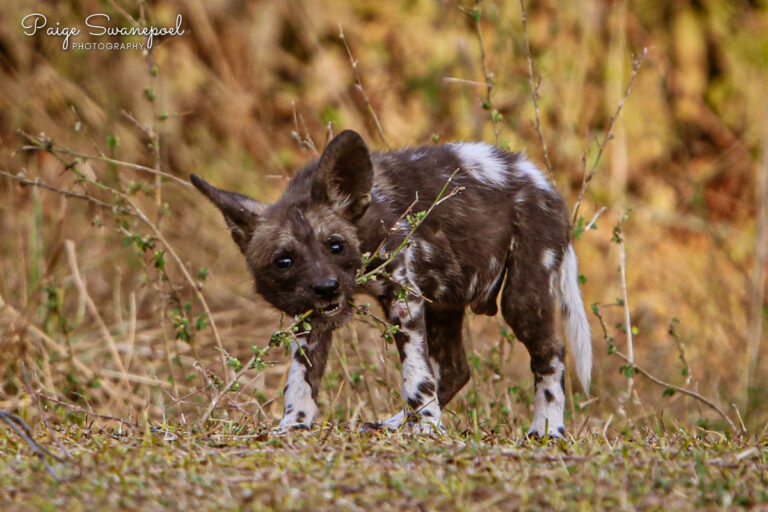
unexpected sightings: wild dogs, honey badgers, baby elephants, martial eagles…
One thing is for certain — there are no tigers in Africa. (We get asked.)

8. How long should my safari be?
A great first-time safari is 5–10 days.
Shorter? You might feel rushed.
Longer? Wonderful — but pace yourself.
Avoid hopping every two nights. The more you move, the more transfers and flights eat into precious viewing time.
A good rhythm:
3 nights per camp → enough to settle in and explore
Many experienced travellers happily stay 7+ nights in one place — let the bush sink in.
The real answer to this question obviously depends on your budget.

9. What types of safaris and lodges exist?
More variety than you might think:
- all inclusive, or à la carte
- set departure group tours or individual safaris
classic lodges with comfort and pools
tented camps (not the igloo type, unless your overlanding!)
bush camps: remote, low-impact, open to the wild
- exclusive-use safari houses, great for full flexibility
private concessions with fewer vehicles
self-drive options in some countries
walking safaris (usually an activity, not your whole trip, unless it’s a “mobile safari”)
Each style influences the feel — and the budget — of your safari.

10. What about luggage limits?
If your itinerary includes small aircraft (common in Southern and East Africa), expect:
15 kg total baggage (23kg if you’re on a set scheduled flight)
soft bags recommended (or compulsory)
no big Samsonite please
And most lodges on an all-inclusive basis will offer laundry, making packing easier.
11. Do I need travel insurance?
Short answer: Yes.
Long answer: Absolutely yes.
Safari destinations can be remote. You’ll want travel insurance with medical evacuation — often mandatory and always wise.
12. How does money work in the bush?
If you’re on a prepaid, all-inclusive safari, you won’t spend much once in-country. If you’re on a self-drive, à la carte safari – then you want to be prepared.
Always bring:
small USD/EUR bills for tipping
local currency for small purchases (get it from an ATM at the airport when you first get in the country, ATM’s can be unreliable in remote areas)
credit cards with a chip (and know your PIN code). Not Amex.
Most lodges accept cards, but not all remote areas do. Tipping guidelines vary by camp — most will advise you.

13. Can I bring children on safari?
Absolutely — many lodges are family-friendly.
But keep in mind:
some camps have age limits
walking safaris are usually 12+
private vehicles make family safaris smoother
Kids love safaris. Especially the hot chocolate on morning drives. But their attention span may be shorter, so make sure the lodge offers a variety of activities.

14. Will there be Wi-Fi and charging?
Yes… with expectations in check.
Most camps offer Wi-Fi in common areas. Speeds can be “bush-level.”
Bring:
a power bank
spare batteries
a universal adaptor (plug types vary!)
Saying that… being offline for a few days is part of the charm.
15. What camera gear should I bring?
You don’t need pro gear — but photography is a big part of the fun.
Bring:
a 200–400 mm lens, or a good bridge camera
memory cards (more than you think)
a beanbag or stabiliser
binoculars
Final Tips for Your First Safari
Choose one region and do it well.
Don’t overpack your itinerary — the bush rewards slow travellers.
Support lodges that invest in community & conservation.
And most importantly: talk to people who know Africa well. It makes all the difference.